

Why your clothes aren't selling.
Dress Their Identity, Not Just Their Body.


Fashion has outgrown the hanger. It’s no longer about what we wear; it’s about where we belong.
And yet so many brands are still trading in surface — new drops, same depth. They’re selling garments, not gravity. Fabrics, not feelings. They launch collections in autopilot; a drop, a campaign, a short-lived splash of relevance, then wonder why the magic doesn’t last.
For consumers, meaning has become the rarest luxury. And it doesn’t live in fabric, it lives in world-building: the art of creating a universe people want to orbit, not just shop.
From Product to Perspective
Every successful fashion brand, from the cult to the couture, operates on one fundamental principle: people don’t buy products, they buy into worlds.
These worlds are coherent ecosystems of emotion, aesthetic, and ideology. They have their own gravity, their own visual codes, rituals, and mythology. You recognise them instantly because they make you feel something.
When a brand world is built well, every touchpoint, from packaging to playlist, becomes an entry point. ‘Window shopping’ is no longer an option, because as soon as you see the brand, you’re compelled to step inside it.
The Architects of Their Own Worlds
Some brands build universal realities that hum with texture, wonder, and human truth. Here’s how a few have done it so well, their aesthetic became its own language.
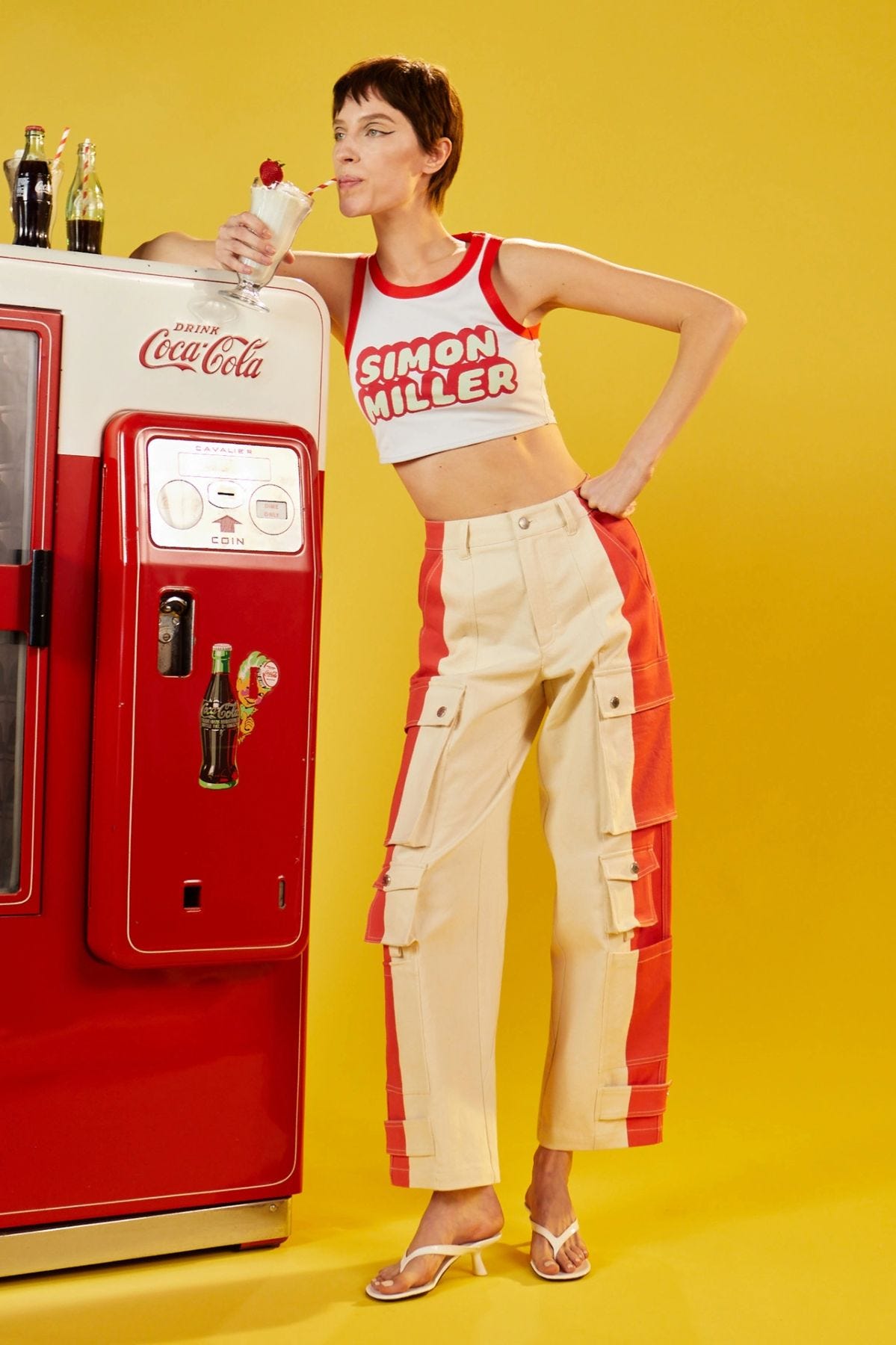
Simon Miller: The Joy of Materialism
Simon Miller’s world is unapologetically tactile and joyous; a glossy, playful fever dream where form meets fun. The LA-based label has turned colour into a worldview: dopamine brights, plush textures, and an offbeat sense of humour that feels both nostalgic and now.
What Simon Miller has built an experience that goes beyond a clothing brand into the realms of sensory playground. The digital world mirrors the physical one: squishy graphics, surreal campaign sets, product names that sound like inside jokes. It’s not trying to be cool; it’s enjoying itself too much to care.
Every collection is a chapter in an ongoing story about feeling good in your own skin (and in an over-zealous hue). There’s a distinct Simon Miller frequency — playful, clever, a little absurd — that instantly telegraphs its universe. It’s what happens when a brand decides its design language is a mood, not a medium.
Lucy Folk: The Art of Adornment
In Lucy Folk’s world, adornment feels less like decoration and more like devotion.
Her world hums with the energy of global craft, sunlight, and the slow luxury of touch. From jewellery to apparel, everything feels like it’s been kissed by the same warm breeze. The brand’s universe is built on texture and tactility; gold threads, woven fibres, sun-worn ceramics, but also on the cultural curiosity of its founder.
Step inside Lucy Folk’s world and you’re not just shopping; you’re travelling. The Marrakech campaigns, the Mediterranean hues, the languid rhythms of a long lunch, they all coalesce into a distinct mood of cultivated ease.
Her boutiques are mini universes in and of themselves; complete with custom scents, curated playlists, and that sense of art-meets-intimacy that luxury lost for a while. Lucy Folk’s brand world reminds us that commerce can be ceremonial, that objects can hold memory, meaning, and magic.
Phoebe Philo: The Cult of Restraint
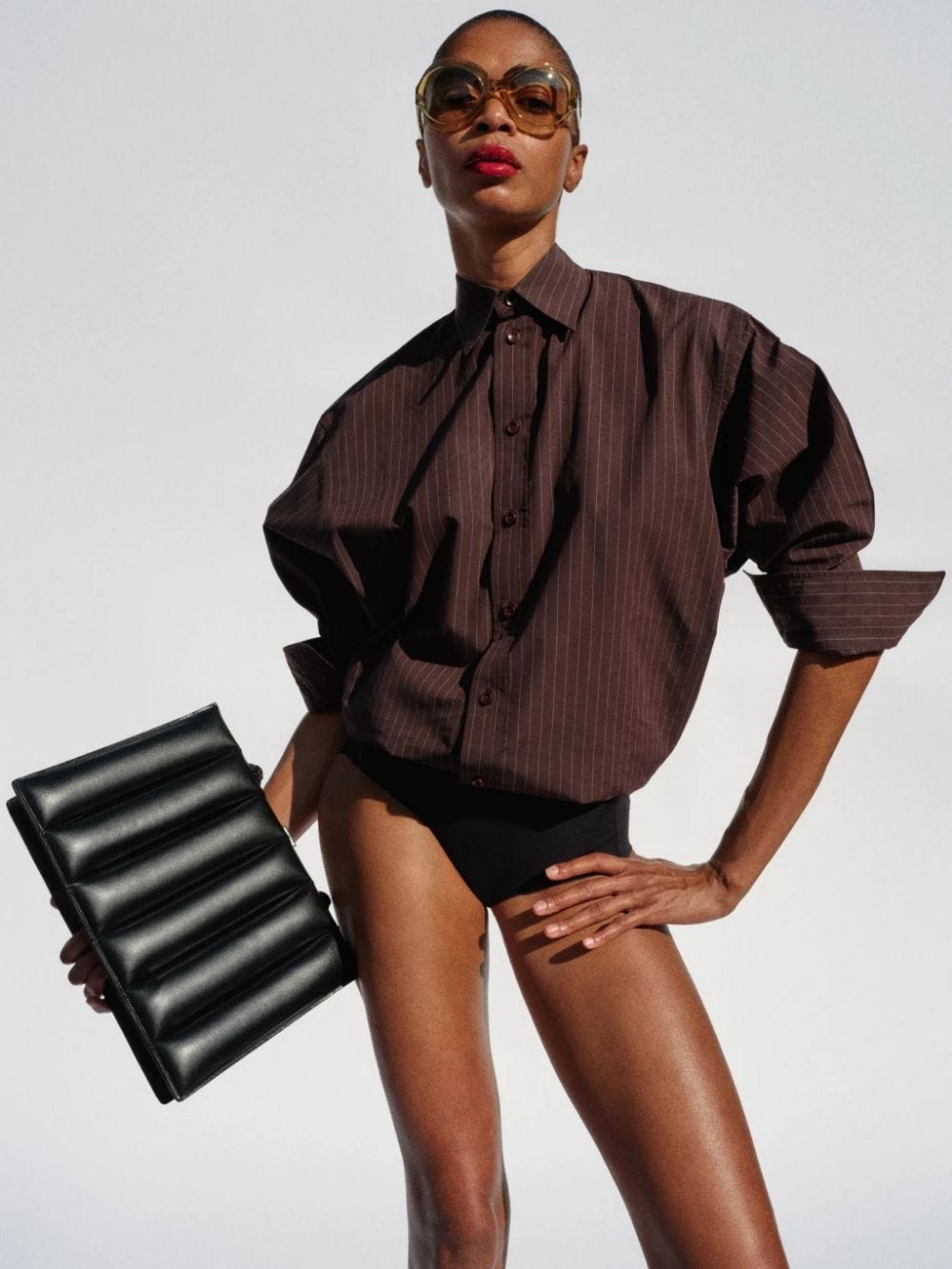
Phoebe Philo redefined power dressing, not with shoulder pads, but with self-possession. Her world made understatement feel radical.
The Philo world is one of quiet rebellion, where intellect and minimalism coexist, and every detail is deliberate. From her tenure at Céline to the rebirth of her eponymous label, Philo has created a movement defined by restraint as expression.
What makes her universe magnetic is its refusal to beg for attention. There’s power in the pause. Her world feels lived in, thought in. The typography, the casting, the stark black-and-white imagery, all evoke an unapologetic calm.
Phoebe Philo built her brand around the intelligence of women, not the gaze of men. Her world speaks to those who want to be understood, not ogled. It’s a culture of discernment, fashion for people fluent in nuance.
That’s what a brand world at its most distilled can be: not loud, but lasting.
Why Most Fashion Brands Still Miss It
The industry has been addicted to output: newness, noise, next. But speed is no
t the same as story. Most fashion brands are content engines, not cultural ones, feeding the algorithm instead of feeding the imagination.
You can tell when a brand is stuck in the old model. Their campaigns look good but say nothing. Their captions sound nice but mean less. Their world feels like a moodboard, not a mindset.
That’s because they’re building for attention, not immersion.
And immersion is what culture remembers.
What It Means to Build a Brand World
A world isn’t a vibe. It’s a system.
A brand world is the connective tissue between your product, your people, and your purpose. It’s the reason your visuals look like they belong in your universe, not someone else’s. It’s why your tone feels lived-in. It’s how your audience starts using your phrases in their own sentences.
At its best, a brand world turns your audience into co-authors. They don’t just consume; they participate. They remix your imagery, quote your copy, defend your values, and spread your mythology, not because you paid them to, but because it gives them identity in return.
The new luxury isn’t exclusivity, it’s immersion.
👉 Ready to turn your fashion label into a universe? Subscribe below for our practical framework to transform your brand from “nice clothes” to “cultural movement.”